There are three steps in a typical order management process (yes, you can customize them to your needs):
1) Placement: We get a sale when the client places the order.
The purpose of using order management software is to have immediate access to essential transaction records in order to store the client’s orders. Some of the most common ones that NetSuite provides are:
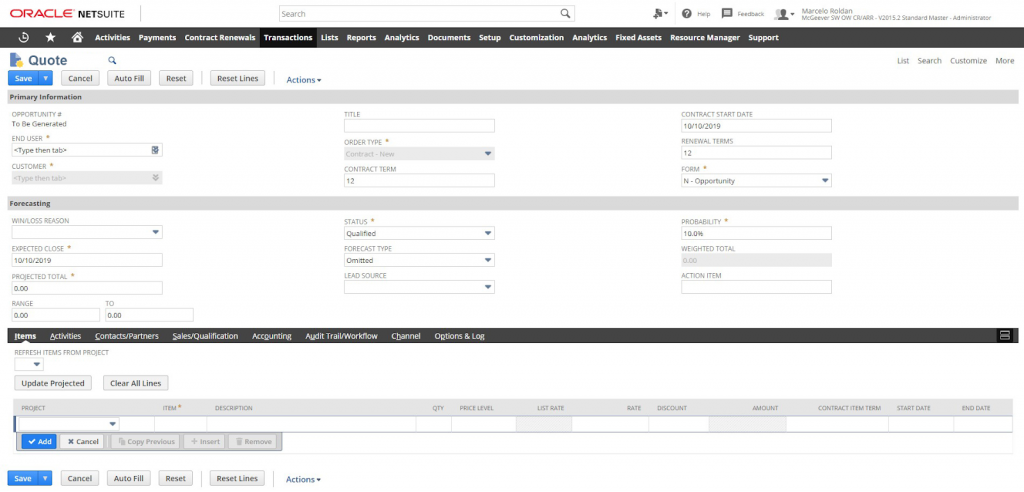
Quote: A sales quote allows a prospective buyer to see what charges would be involved in their purchase.
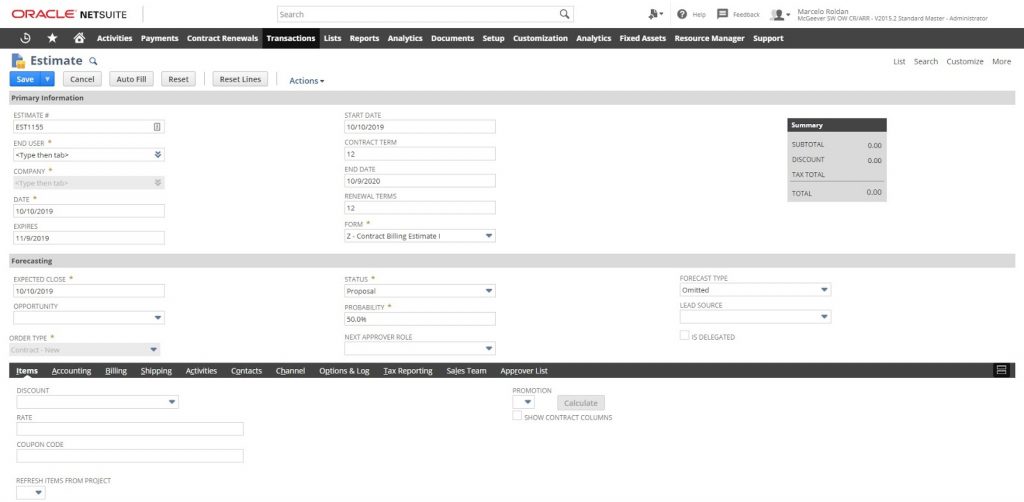
Estimate: When it’s not possible to get an exact figure for a transaction, an estimate approximates the cost of a service.
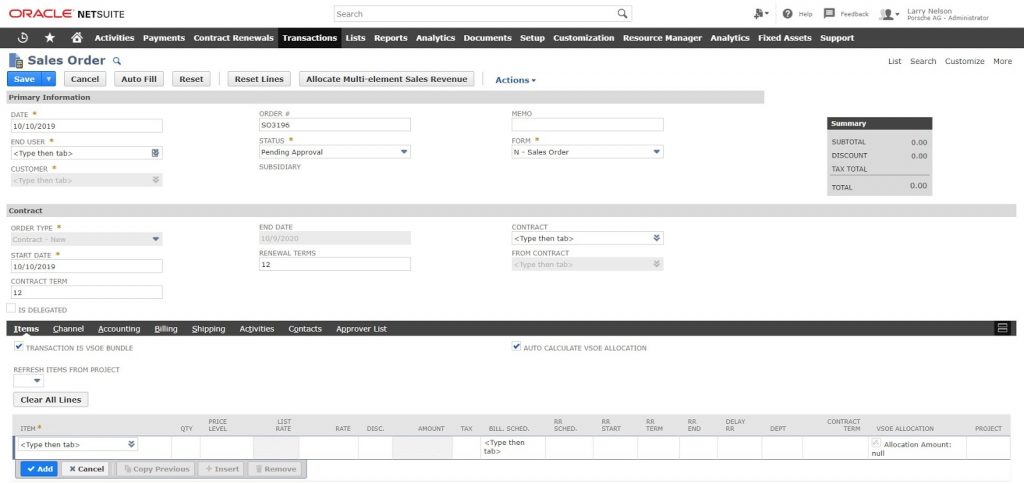
Sales Order (SO): The beginning of the order to cash cycle and corresponds to the agreement between the buyer and the seller.
NetSuite, we can establish different levels of approval workflows. We may also design custom forms to make ordering items easier for customers.
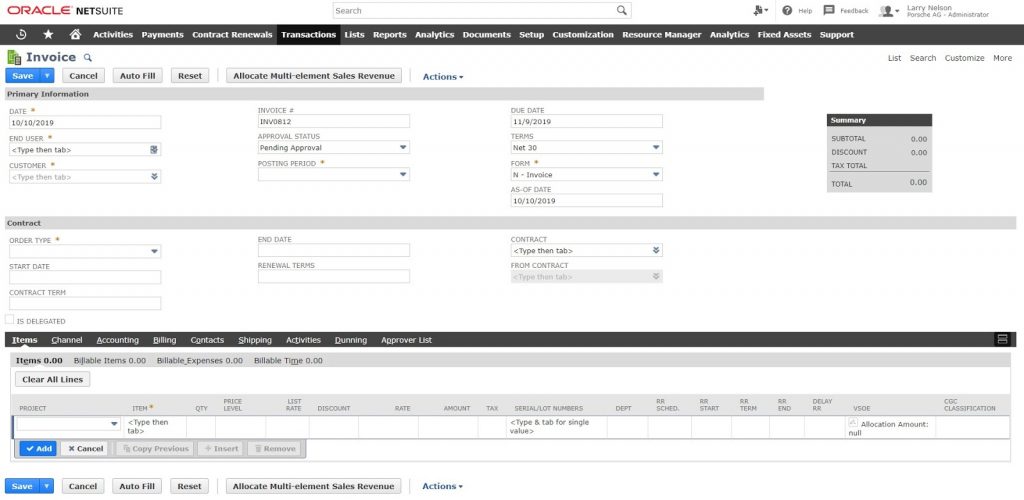
2) Fulfillment: If our business works with physical products, pick, pack and shipment of the items is the following step in the process. The invoicing and payment collection processes begin after the fulfillment is complete.
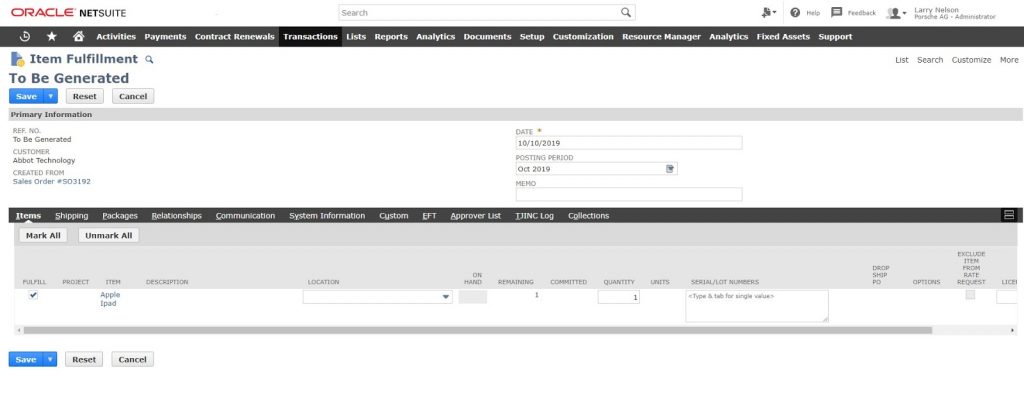
The fulfillment process will impact our general ledger – your accounts receivable will increase and our inventory level will decrease. Before the fulfillment, all the changes are non-posting movements including Sales Orders.
3) Inventory Management: Inventory fluctuations depend on product/service demand.
NetSuite Inventory Management is a crucial piece in the Order Management game. The way that these two fundamental processes work together in NetSuite makes the data tracking process simple when you’re selling.